Close Menu
newzz.net
    Facebook X (Twitter) Instagram
    Trending
    • YouTube tests a less intrusive ad format for livestreams
    • Inside India’s aviation crisis: Detours, duties, and deep losses
    • 525. JD Vance vs. the Pope and the Far-Right Funding Machine (Question Time)
    • Can Saving Birds Save the Planet? Scott Weidensaul’s Case for Hope and Resilience Amid a Dire Era of Bird Loss
    • How Co Antrim pilot made childhood dream a reality with free scheme
    • Google Launches Deep Research and Deep Research Max Agents to Transform AI Research Workflows
    • FSIB invites application from private sector too for selection of public sector banks’ EDs
    • 524. Starmer’s Mandelson Mess and the Iranian Nuclear Threat
    newzz.net
    Friday, April 24
    • Home
    • Top Stories
    • Technology
    • Business
    • Politics
    • Health
    • Loans
    • Interest Rates
    • Mortgage
    • Entertainment & Arts
    • Science & Environment
    • Smart Solutions
    newzz.net
    You are at:Home»Science & Environment»Audubon Florida Needs Your Eyes and Ears: Look for Sea and Shorebirds on Local Rooftops
    Science & Environment

    Audubon Florida Needs Your Eyes and Ears: Look for Sea and Shorebirds on Local Rooftops

    Editorial TeamBy Editorial TeamMarch 7, 2026No Comments2 Mins Read
    Facebook Twitter Pinterest LinkedIn Tumblr Email
    Audubon Florida Needs Your Eyes and Ears: Look for Sea and Shorebirds on Local Rooftops

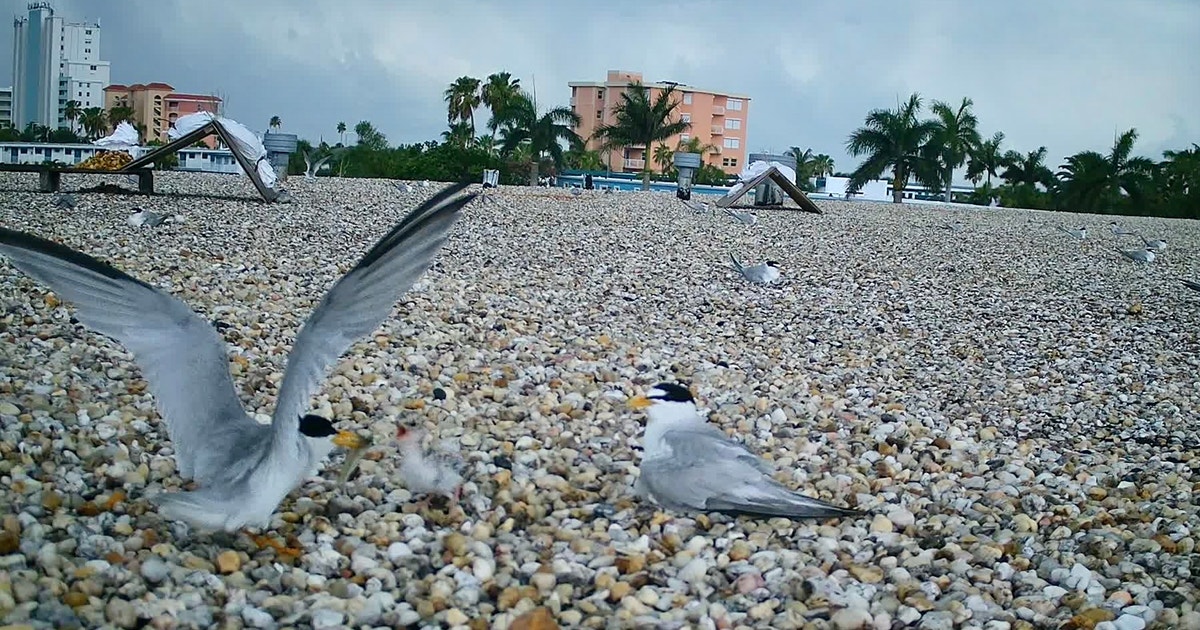
    It’s the most wonderful time of the year— shorebird nesting season! Did you know that not all shorebirds nest on the seashore? Some shorebirds use gravel rooftops as an alternative nesting habitat.

    Which Bird Species Nest on Rooftops?


    Species like Black Skimmer, Least Tern, and American Oystercatcher utilize urban habitats from March through August. These species are threatened in the state of Florida, and they are protected by state regulations.

    Look for them flying, hovering, or landing on rooftops. Their calls are high-pitched squeaks, and they call frequently.

    How Do We Protect Them?

    It is illegal to harm, harass, or disturb nesting shorebirds and their eggs or chicks, even when they’re on a roof. That includes activities that may unintentionally cause the adults to leave their nests, exposing eggs or chicks to the elements and predation.


    Throughout the nesting season, biologists monitor rooftop-nesting birds and potential nesting sites across the Tampa Bay area in partnership with local property owners, municipalities, and the Florida Fish and Wildlife Conservation Commission. In addition to monitoring, some chick protection tools are used to provide cover from predators or reduce the chances of a chick falling. Volunteers who receive training also play critical roles in their protection by conducting ground-based surveys, educating residents, and assisting with chick rescues. Monitoring efforts track nesting success, address disturbances, and ensure a quick response in the event of a fallen chick.

    Once rooftop nesting season gets underway, Audubon encourages building managers, business owners, and residents of buildings with flat, gravel rooftops to be aware of shorebird activity overhead. Other ways to help include keeping dumpsters closed to deter predators from the area and keeping an eye out for fallen chicks.

    What Can You Do? 

    Email us! If you notice birds nesting on your building, avoid accessing the roof and reach out to Audubon’s Rooftop Biologist Abby McKay for guidance. 

    Are you looking to volunteer to help beach and rooftop nesting birds this year? Wherever you are in Florida, sign up to volunteer here.

    Audubon Ears eyes Florida Local Rooftops sea Shorebirds
    Previous ArticleAlexa’s cleaning tip proves AI still can’t be trusted with basics
    Next Article Government announces standards of green ammonia, green methanol
    Editorial Team
    • Website

    Related Posts

    Can Saving Birds Save the Planet? Scott Weidensaul’s Case for Hope and Resilience Amid a Dire Era of Bird Loss

    Earthflower to ecosystem – What to plant this Earth Day week for a liveable future – A greener life, a greener world

    Sixteen Years Later, Gulf Birds are Still Recovering from Deepwater Horizon Oil Spill

    Comments are closed.

    • Facebook
    • Twitter
    • Instagram
    • Pinterest
    Don't Miss

    YouTube tests a less intrusive ad format for livestreams

    Inside India’s aviation crisis: Detours, duties, and deep losses

    525. JD Vance vs. the Pope and the Far-Right Funding Machine (Question Time)

    Can Saving Birds Save the Planet? Scott Weidensaul’s Case for Hope and Resilience Amid a Dire Era of Bird Loss

    About

    Welcome to Newzz.net, your trusted source for timely, accurate, and insightful news from around the world. We are dedicated to delivering the latest updates and in-depth analysis across a wide range of topics, ensuring our readers stay informed, empowered, and engaged.
    We're social, connect with us:

    Popular Posts

    YouTube tests a less intrusive ad format for livestreams

    April 23, 2026

    Inside India’s aviation crisis: Detours, duties, and deep losses

    April 23, 2026

    525. JD Vance vs. the Pope and the Far-Right Funding Machine (Question Time)

    April 23, 2026
    Categories
    • Business
    • Entertainment & Arts
    • Health
    • Interest Rates
    • Loans
    • Mortgage
    • Politics
    • Science & Environment
    • Smart Solutions
    • Technology
    • Top Stories
    Copyright © 2026. newzz.net Designed by Webwazirds7.
    • About Us
    • Privacy Policy
    • Terms and Conditions
    • Contact Us

    Type above and press Enter to search. Press Esc to cancel.