

Switching to alternative fuels is not immediate, as kilns are designed for specific fuel types, requiring technical recalibration and investment.
The refractory industry, a silent enabler of industrial growth, has been facing a serious challenge as disruptions to LPG supply are beginning to strain manufacturing operations.
The ongoing disruption has already started affecting refractory manufacturers across India. If the situation persists, it could significantly curtail production, particularly for units that depend heavily on LPG.
Refractory demand from core sectors
The refractory industry supports a wide range of core sectors, including steel, cement, copper, aluminium and glass, with steel being the largest consumer.
Steel plants and other high-temperature industries rely on a steady supply of refractories for daily operations, maintenance and relining.
Industry urges government intervention
In a letter to the Union Ministries of Steel, Petroleum and Natural Gas, the Indian Refractory Makers Association has urged the central government to prioritise LPG supply for refractory manufacturers alongside domestic consumers until the situation stabilises.
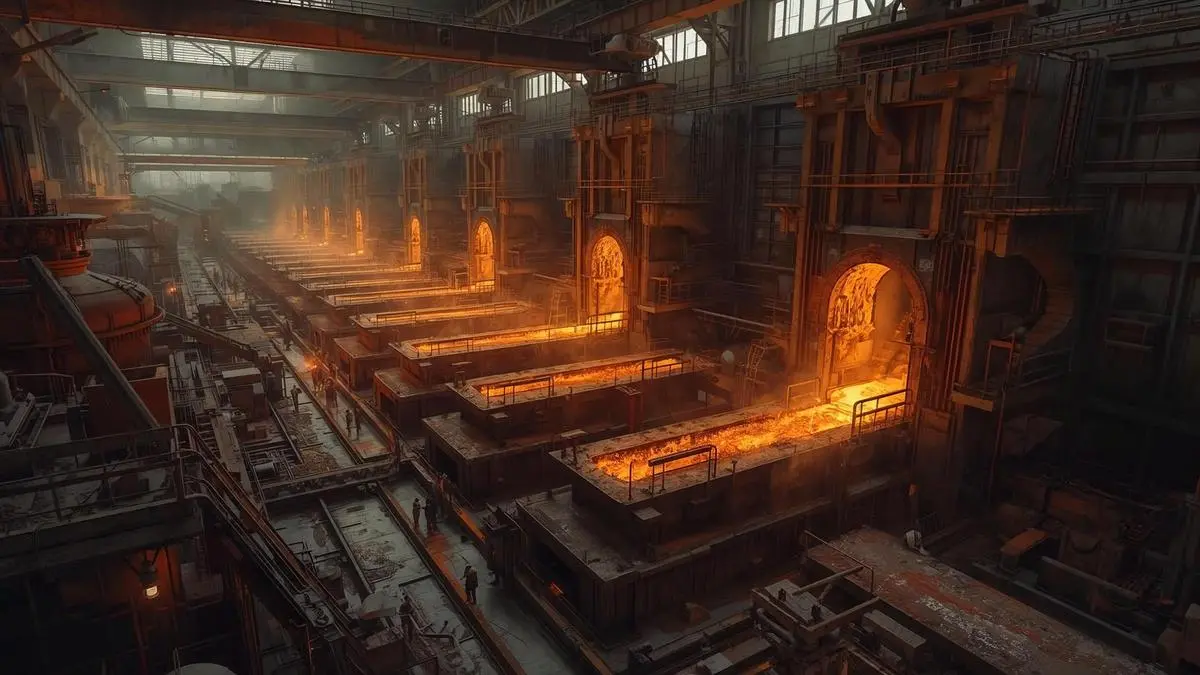
The urgency arises from the sector’s dependence on LPG as a clean, high-calorific fuel. Refractory manufacturing involves firing materials at temperatures often exceeding 1,200°C, under tightly controlled conditions. Even small variations in heat or fuel consistency can affect product quality, durability, and performance.
When supply becomes unreliable, manufacturers are forced to adjust firing cycles, delay production, or, in some cases, pause operations altogether.
Alternatives not an immediate solution
Switching to alternative fuels is not a quick fix. Refractory kilns are designed for specific fuel types, and any transition requires time, investment and technical recalibration.
Parmod Sagar, Chairman, MD and CEO, RHI Magnesita India, said the ongoing disruption in fuel supply is not just an operational concern; it is a systemic risk for industries that depend on high-temperature manufacturing.
Without consistent access to fuels like LPG and natural gas, maintaining process integrity and output becomes extremely challenging, he said.
Technical constraints limit fuel switching
Sunanda Sengupta, Chairman, IRMA, and Executive Director at TRL Krosaki Refractories, said there is a wide range of refractories, each with its own specific firing requirements, for which it is not possible to change the fuel source quickly due to various technological constraints.
“We have requested the government to recognise the critical nature of the refractory industry for uninterrupted supply of LPG and Natural Gas alongside other industries,” he added.
Published on March 20, 2026
