


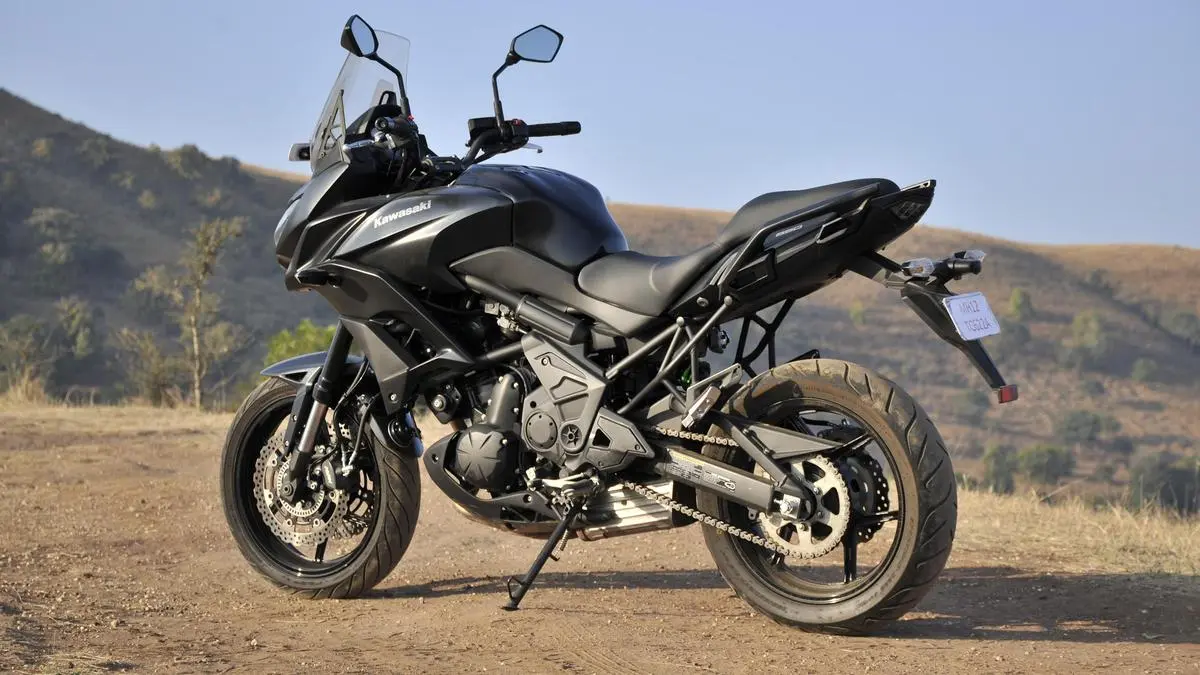
As volatile crude prices and West Asia-linked supply jitters revive concerns over petrol costs, Pune-based startup ELESPA HEV is betting on a ₹60,000 hybrid retrofit to break into the mass market, undercutting premium global offerings such as Kawasaki’s ₹9 lakh hybrid motorcycles.
Founded by engineer Prathamesh Choudhary and incubated at the Automotive Research Association of India (ARAI), the venture marks one of the first ARAI-validated attempts to formalise hybrid retrofit solutions for India’s 210-million-strong two-wheeler fleet, a segment long dominated by unorganised “grey market” conversions.
ARAI, the Ministry of Heavy Industries’ testing agency, said such innovations are part of its mandate to support the shift towards zero-emission technologies, a focus area for its Advanced Mobility Transformation & Innovation Foundation (AMTIF).
The government has contributed approximately ₹28.91 crore to an industry accelerator fund at ARAI, Pune, to support indigenous technology development, of which the start-up is a part.
The project took shape during the pandemic, when rising fuel costs and gaps in EV charging exposed the need for a practical middle path. That need is now resurfacing as fuel disruption concerns return, with the company accelerating a Maharashtra rollout and positioning low-cost hybrids as a hedge against supply volatility.
Global manufacturers such as Kawasaki, Yamaha, and Honda are investing in ground-up hybrid platforms that integrate engines, motors and transmissions through years of high-cost R&D. These systems rely on sophisticated electronic controls to manage petrol-electric switching and are positioned at the premium end, with limited relevance for cost-sensitive markets like India.
ELESPA, by contrast, is leveraging frugal engineering to deliver a plug-in series-parallel hybrid system that can be retrofitted onto existing petrol scooters and motorcycles.
The company’s architecture works with existing engines and transmissions, using a patented dual-throttle mechanism that allows riders to switch or blend petrol and electric power depending on riding conditions. The configuration ensures the vehicle remains operational even if the battery is depleted, addressing a key limitation associated with electric mobility.
The system features a portable, swappable battery pack with a claimed electric-only range of up to 100 km per charge, along with connected features such as app-based monitoring and anti-theft functionality.
“We are moving from a subsidy-dependent EV model to a more self-sustaining hybrid approach,” Choudhary told BusinessLine, adding that the focus is on scaling the company’s homegrown technology before global OEMs localise their platforms.
Backed by ARAI validation, the startup is moving towards early deployments, prioritising an independent rollout despite interest from established two-wheeler makers. The retrofit kit, priced around ₹60,000, will be available through direct channels and authorised workshops.
According to company estimates, a typical two-wheeler user spends around ₹60,000 annually on fuel and maintenance. ELESPA claims its system can reduce running costs to about 12 paise per kilometre, implying a payback period of roughly one year.
Published on March 28, 2026

