


By Bridget Shirvell
In the eighth instalment of our series, Advice and ideas on raising kids in the climate crisis,the author of Parenting in a Climate Crisis, Bridget Shirvell, offers advice and guidance on how to introduce, understand and teach kids the seasons and the important role they play.
At the time, in my twenties, living in New York City and working at a small cooking magazine, the invite (on real paper, mind you) to a solstice party felt like the height of coolness.
The party at the publisher’s swanky townhouse uptown had a coveted outdoor space and was full of tie-ins to nature: flower-inspired cocktails, a dress code that encouraged green, even if the party itself was taking place with car horns as background noise, not birds chirping merrily away. It was probably just an excuse to have a party. Still, I remember thinking how lovely it was to want to celebrate the seasons.
I honestly forgot all about that party, though, until my child started asking about seasons. And I realised that what I wanted to teach her was something more than dates on a calendar.
How to explain and teach children about the seasons
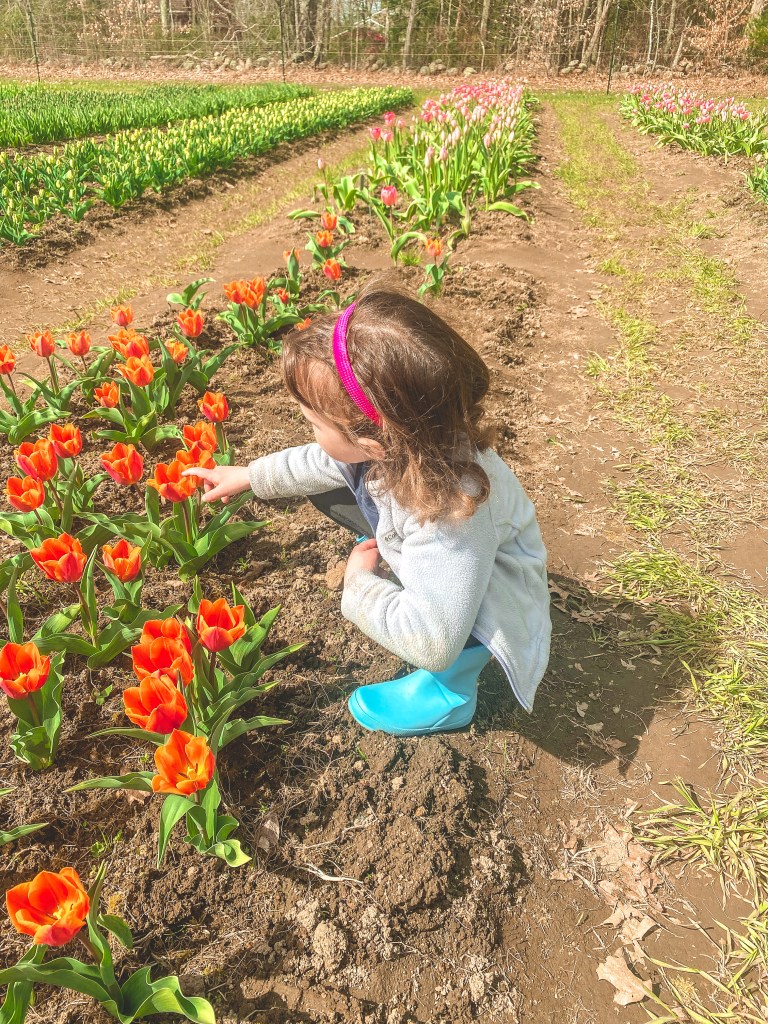
The easiest way to explain seasons to a child is to get outside in all of them. Not to lecture, but to notice together. You don’t need to lead with science, and when my child was very little, I didn’t.
Observe
I’d ask instead what she noticed. The body understands seasons before the mind does. It’s easy to weave in the science from that start. Explaining how the Earth travels around the Sun, tilting as it goes, and that tilt is everything.
It’s why we pull out sweaters in October and why by May something loosens in the air. Simple enough for a child to both understand and marvel at.
The changing seasons
The seasons aren’t the same as when I was a child or even when I was going to that solstice party, though. Across the Northern Hemisphere, spring is arriving earlier. Flowers bloom ahead of historical averages.
Planting times have shifted for gardeners. Snow melts before the ground has time to absorb it. These shifts are measurable, documented, and accelerating. They separate my childhood from my children’s, but they are also something children can observe if we show them how to look.
Help and encourage your child getting started with a nature journal
For young kids, one of the simplest and most powerful habits you can help them practice is simply to notice the world around them. Give your kid a notebook and a few coloured pencils, and each week, encourage your child to write or draw what they see outside. What flowers are blooming? Do the trees have leaves on them? What birds do they see or hear?
Your child’s personal phenology record
Over several years, these journals can become a sort of personal phenology record. Phenology is the study of cyclic and seasonal natural phenomena; think of it as nature’s own calendar. Scientists have kept phenological records for centuries, and that data now forms some of our most compelling evidence for climate change.
When your child tracks the first dandelion of the year, they’re doing the same thing. And when they compare this year’s entry to last year’s, they begin to understand, viscerally, that something is shifting.
Make it a family ritual
Seasonal awareness grows when it’s woven into everyday life rather than treated as a lesson. On regular walks through your neighborhood, take a moment to notice how the same tree, hedgerow, or patch of flowers changes each season.
If you have the space, consider planting a small garden together and tracking when the first seedlings emerge year over year. Or mark the date of the first frost on a kitchen calendar, and celebrate the last one.
You could explore citizen science projects designed for families. Programmes like the UK’s Woodland Trust Nature’s Calendar or the US’s USA-NPN Nature’s Notebook invite people of all ages to log seasonal observations that contribute to scientific research.
Knowing that their entry on a blooming cherry tree feeds into a national database gives children a sense of agency and belonging in something much larger than themselves.
Celebrate the seasons, even the earlier start
Children are perceptive. They notice warm Februarys, the snowdrops in January, and they deserve an honest, age-appropriate explanation for why seasons don’t always match up with what we think they should on a calendar.
For younger children, you might say: “The world is getting warmer because of how we use energy, and so spring comes a bit earlier now.” For older ones, you can go deeper: discuss greenhouse gases, feedback loops, and why a few degrees of average warming can have such large seasonal effects.
It can be tricky to strike the right balance between informing and empowering kids and not frightening them, which is why it’s helpful to frame the conversation around what they can see, understand, and, crucially, what can still be done.
Children who understand the problem clearly are far more likely to become the adults who mitigate it. The nature journal in their hands isn’t just a record; it’s a reminder that they are paying attention, and paying attention is the beginning of caring.
An act of love for the natural world
Amid all the change, there is still breathtaking beauty in the turning of the seasons, and children should be encouraged to delight in it. Ask them what spring looks like, and they might describe crocuses pushing through snow, the first robin on the lawn, or the smell of thawing Earth after a long winter. Those are all things to find joy in, even if they come earlier. Perhaps you’ll even throw your own solstice party.
Teaching children to read the seasons is an act of love: love for the natural world, for children themselves, and for the future they will inherit. The earlier they learn to look, the longer they have to act. And right now, a little earlier is exactly what we need.
Bridget Shirvell is a freelance journalist and the author of Parenting in a Climate Crisis. A handbook that explores the challenges and opportunities of raising children in an era of climate change. Her work has been featured in various publications, including The New York Times, Grist, and Fast Company, where she combines personal insights with expert perspectives to inspire and inform readers. Bridget is passionate about raising awareness and sparking meaningful conversations around climate action and the future of the next generation. You can follow her Substack here.
Discover more from A greener life, a greener world
Subscribe to get the latest posts sent to your email.
