

This month, a long-awaited milestone becomes reality: the High Seas Treaty enters into force. The treaty marks a turning point for the ocean, offering the first comprehensive framework to protect biodiversity in the high seas.
Oceans cover 70 percent of the planet but only 8 percent have some measure of protection. Nearly half of the planet’s surface is comprised of the high seas, which are areas beyond any one nation’s jurisdiction. No borders exist on these waters, but they are teeming with life, and seabirds depend on these areas across their full lifecycle.
Because there is no one country or entity “in charge” of what happens in the high seas, tackling challenges that impact ocean health is a significant challenge. The High Seas Treaty will help address this, creating a global framework to establish Marine Protected Areas (or MPAs). The treaty aims to develop environmental impact assessments for ocean development and provide for an equitable sharing of benefits from marine genetic resources. These provisions will help close gaps in ocean governance while providing a path to ensure that marine conservation efforts are inclusive.
Formally known as the United Nations Agreement on Biodiversity Beyond National Jurisdiction (or BBNJ Agreement), 81 countries have ratified the treaty as of mid-January.
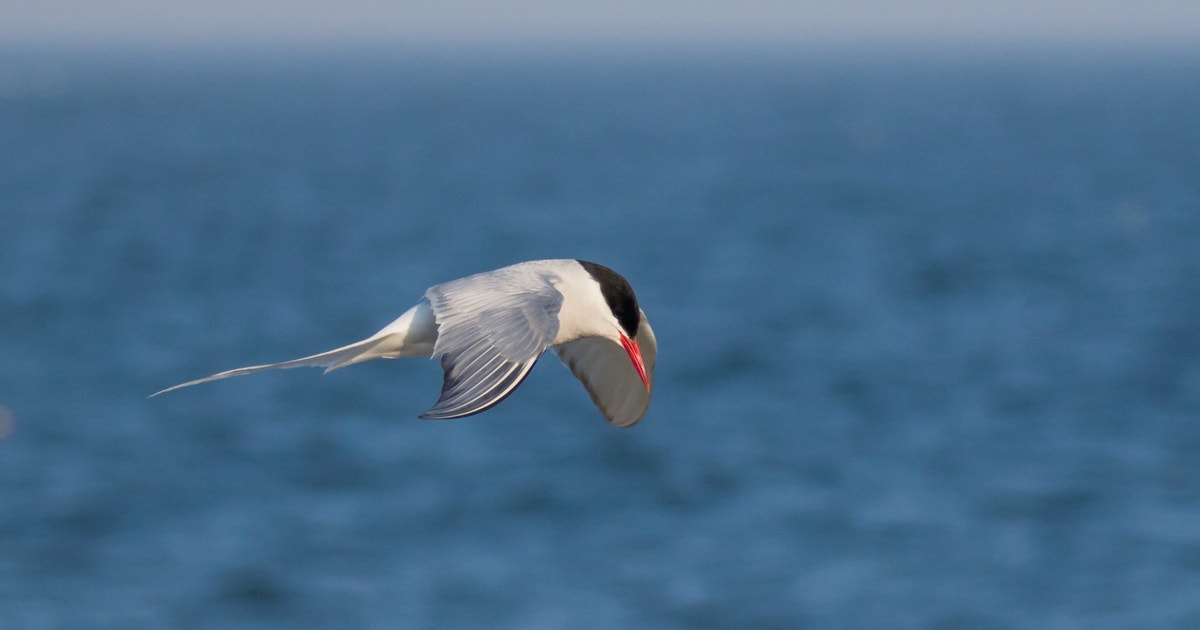
The treaty is great news for seabirds like the Arctic Tern, who are among the most wide-ranging animals on Earth. Many seabirds spend almost their entire lives at sea, touching land only to nest, underscoring the importance of marine ecosystems for their long-term survival. From climate change, to pollution, to habitat loss and impacts from extractive activities, seabirds are threatened at every part of their lifecycle. In fact, since 1970, seabird populations declined some 70 percent. Audubon’s work has long recognized this connection between land and ocean, nesting beaches and marine feeding grounds.
Across Canada, the United States, and throughout Latin America, Audubon scientists and partners work to protect seabirds across their full annual cycles, taking a hemispheric approach that reflects a simple truth: seabirds do not recognize political boundaries, and conservation cannot stop at national borders.
The high seas are dynamic, productive habitats with distinct geological and oceanographic features that support the fish that seabirds depend on for food. Seabird nesting success is tightly linked to ocean conditions. For example, when adults must travel farther or work harder to find food, fewer chicks survive. Breeding colonies like the seabird nesting islands in Maine where Audubon has worked for more than 50 years are impacted by what is happening in the ocean hundreds or even thousands of miles at sea.
Through collaborations that span governments, researchers, and coastal communities, Audubon helped build the science and policy foundation needed for this moment. The High Seas Treaty strengthens our ability to translate that knowledge into action—protecting the places seabirds rely on most, even when those places are thousands of miles from shore.
The treaty’s entry into force is not the end of the work, but the start of a new chapter, and it is up to us to ensure that the conservation commitments of the treaty translate into real protection on the water.
This week ushers in the start of a shared global commitment to care for the ocean beyond borders. For seabirds—creatures whose lives depend on the vastness of the open sea—that commitment could make all the difference.
