

When Florida’s coastal residents get word of an incoming “tropical storm,” they likely only consider the minor inconveniences that follow: double red flags, no swimming due to rough waves and rip currents, potentially flooded roads, and the inevitable post-storm cleanup. What receives far less attention is the lasting impact these storms can have on the wildlife that also share our beaches. While sea turtles are often the first species that come to mind when discussing storm impacts, they aren’t the only ones affected: coastal nesting birds, including Black Skimmers and Least Terns, also call Florida’s beaches their temporary home.
From April to August, these birds return to the Gulf Coast for their breeding season. They work hard to find quiet stretches of sand where they can form nesting groups called colonies, lay eggs, and raise their chicks. Unlike many birds that build their nests in trees or bushes, Black Skimmers and Least Terns nest directly on the sand. Their nests, called scrapes, are small and shallow with just enough room for the eggs to fit directly under the adult. The speckled coloration of their eggs and the shallow scrapes create incredible camouflage. As a result, their eggs blend in almost seamlessly with the surrounding sand, protecting them from potential predators. However, the same nesting strategy meant to ensure the survival of their chicks may also lead to the loss of an entire colony.
Hurricane season in Florida runs from June to November, overlapping with these coastal birds’ breeding season. During these months, heavy rain, strong winds, and storm surge can have devastating effects on the nesting birds that have spent weeks establishing colonies and raising young.
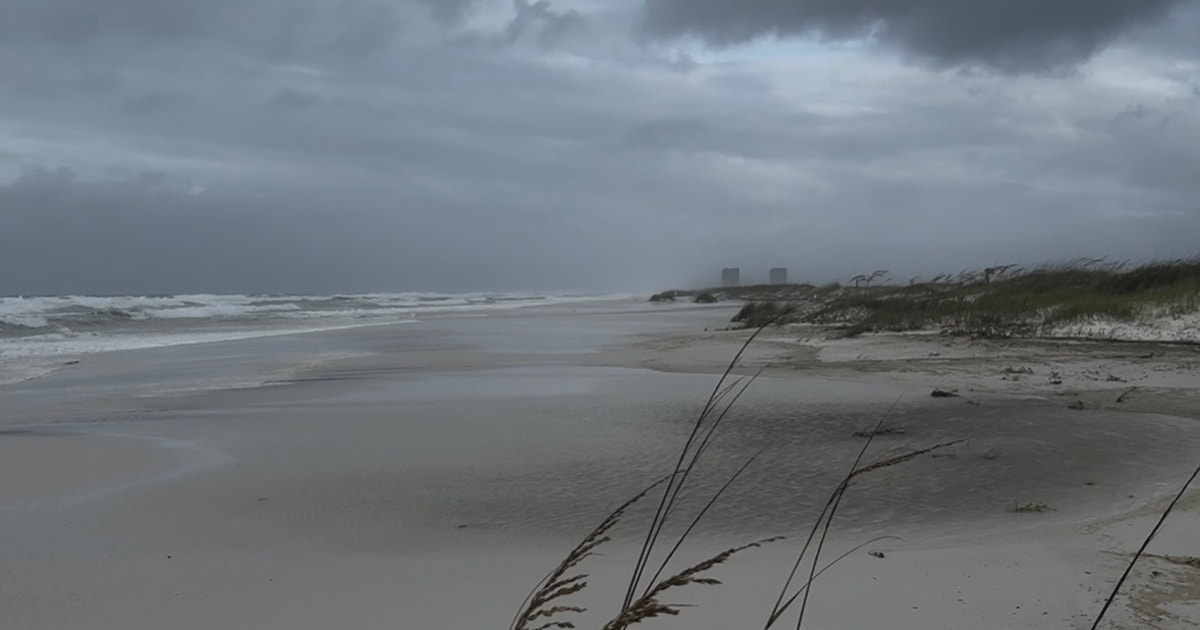
The effects of these storms were recently seen firsthand on Pensacola Beach as Tropical Storm Bertha moved through the Gulf Coast. The storm pushed seawater far up onto the shores, beyond the normal tide line, creating overwash across stretches of beach where nesting birds had carefully established their colonies. Because their nests were nothing more than shallow scrapes in the sand, they offered little protection from the overwash. The eggs they spent weeks protecting washed away with the tide or became buried under pounds of sand along with flightless chicks that were too young or weak to escape. Chicks that survived by retreating to the dunes faced additional challenges, including separation from parents, reduced food availability, and increased exposure to predators. Adult birds may return to the area after the storm to begin the intensive process of renesting, if enough of the breeding season remains, but some may abandon the nesting site entirely. For species already facing challenges such as habitat loss, human disturbance, off-leash dogs, and fireworks, a tropical storm can turn a difficult season into a failed one.
The encouraging news is that tropical storms do not always mean complete loss for these species. These birds evolved to depend on the habitat reset from tropical storms and hurricanes to thrive. They need open sandy beaches to nest and successfully raise their babies and these sandy areas are created when storm surge scours the beach. If Audubon staff, volunteers, and partners protect their access to these areas, sea and shorebirds can use these areas to raise a large number of fledges. This is where the coastal team at Audubon steps in.
Audubon Florida’s coastal team and volunteers eagerly wait for the storm to pass, then spring into action. We return to the beaches to assess storm impacts on the nesting birds and repair damaged posted sites to help give these recovering colonies the space they so desperately need. We continue to educate visitors on the beach and work with locals to protect these sites throughout the remainder of the season. While no one can prevent a tropical storm, together we can help make sure coastal birds have the best chance to recover. Every protected nesting area, every leashed dog, and every person helping to give these birds space during their recovery supports the success of the next generation.
