Close Menu
newzz.net
    Facebook X (Twitter) Instagram
    Trending
    • The IRS’s 2026 Tax Season Start Date (for 2025 Tax Year Filing)
    • Huge Numbers of Migrating Birds Rely on These Five Central American Forests—but They’re Disappearing Fast
    • Donegal vs Monaghan: Live stream and TV information, throw-in time, betting odds and all you need to know ahead of today’s Dr McKenna Cup final
    • Security Experts Warn Users to Update Headphones Amid Google Fast Pair Vulnerability
    • ‘Innovate for Bharat for India’s prosperity’
    • Will AI End Humanity? – Alastair Campbell
    • UK approves funding for the world’s largest offshore wind farm – A greener life, a greener world
    • If Android killed widgets tomorrow, I wouldn’t miss them
    newzz.net
    Saturday, January 17
    • Home
    • Top Stories
    • Technology
    • Business
    • Politics
    • Health
    • Loans
    • Interest Rates
    • Mortgage
    • Entertainment & Arts
    • Science & Environment
    • Smart Solutions
    newzz.net
    You are at:Home»Science & Environment»Colorado’s Chance to Continue to Lead: Protecting All Waters Under Regulation 87
    Science & Environment

    Colorado’s Chance to Continue to Lead: Protecting All Waters Under Regulation 87

    Editorial TeamBy Editorial TeamDecember 8, 2025No Comments3 Mins Read
    Facebook Twitter Pinterest LinkedIn Tumblr Email
    Colorado’s Chance to Continue to Lead: Protecting All Waters Under Regulation 87

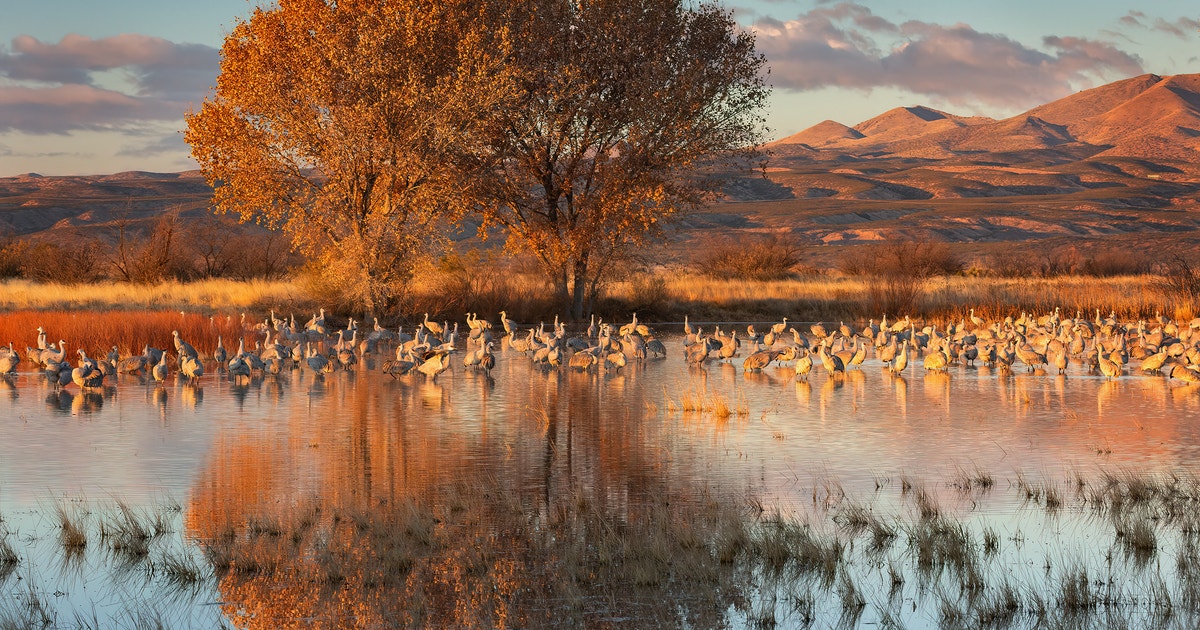
    Colorado’s waters form a living network—from alpine headwaters to desert seeps to prairie sloughs to floodplain wetlands—the arteries of our state’s ecology, economy, and communities. But today, many of them are vulnerable.

    After the U.S. Supreme Court’s Sackett v. EPA decision narrowed the scope of waters covered in the Clean Water Act, hundreds of thousands of acres of wetlands and miles of small streams no longer fall under longstanding federal protections. In response, Colorado legislators took a dynamic bipartisan step forward in 2024 by passing HB24-1379 to restore safeguards to these wetlands and streams—making Colorado the first state in the nation to adopt such protections. 

    The law directs the Colorado Department of Public Health and Environment to develop Regulation 87, a program to permit “dredge-and-fill activities” such as mining, reservoir construction, and major infrastructure projects. Projects will be required to avoid and minimize harm to wetlands, and then require mitigation of unavoidable impacts. This approach mirrors the federal 404 dredge-and-fill program, although HB24-1379 includes provisions tailored to Colorado needs.

    The rulemaking will take place next month (Dec. 8–10). What happens in those three days will determine whether Colorado truly protects the integrity of its rivers and wetlands—or opens new gaps that leave them exposed to unregulated filling or dredging.

    A Comprehensive Vision, Not a Patchwork

    Lawmakers made a conscious choice: Colorado’s program would be comprehensive, not just a limited program to fill the gap created by Sackett. They recognized what science makes clear—that our waters are connected. Protecting a river requires protecting its tributaries, and safeguarding a wetland means supporting the hydrologic connections that sustain it. Protecting all state waters—large and small, intermittent and perennial—is the only way to maintain the integrity of the system.

    Avoid, Minimize, Mitigate—Because Once It’s Gone, It’s Gone

    At its core, Regulation 87 carries forward the enduring principles of protecting Colorado waters while balancing the need for infrastructure or development: avoid and minimize harm whenever possible, and mitigate unavoidable impacts. These aren’t bureaucratic hurdles but essential guardrails. Healthy wetlands and riparian systems buffer floods and drought, filter pollutants, store carbon, and sustain wildlife and recreation. Once lost, they are extraordinarily difficult and expensive to restore or replace. Colorado has already lost about 50 percent of its wetlands due to development since statehood, so protecting what remains is imperative.

    A Model for the Intermountain West

    Other states across the Intermountain West are watching closely and Colorado’s approach could serve as a blueprint for state-led water protection— grounded in science and collaborative governance rather than crisis response.

    As droughts intensify, fires burn hotter, and floods become more extreme, we need policies that recognize the full hydrologic system and invest in natural infrastructure—the wetlands, fens, and riparian zones that protect and support us.

    Why This Matters to All of Us

    This isn’t just about fish, frogs, or even birds—though those species are the canaries of ecosystem health. It’s about public safety, clean drinking water, agricultural resilience, and economic stability. The same wetlands that cradle a Yellow Warbler’s nest also reduce downstream flood risk and improve water quality for nearby towns.

    Colorado can lead the way, showing the rest of the West that safeguarding water means protecting all of it—from the smallest spring to the largest river. Once we lose these systems, we don’t get them back.

    chance Colorados continue lead Protecting regulation Waters
    Previous ArticleNorth Belfast security alert LIVE as residents evacuated over 'suspicious object' discovery
    Next Article 165. Anna Wintour: Culture, Influence, and the Power of Decisive Leadership
    Editorial Team
    • Website

    Related Posts

    Huge Numbers of Migrating Birds Rely on These Five Central American Forests—but They’re Disappearing Fast

    UK approves funding for the world’s largest offshore wind farm – A greener life, a greener world

    What Type of Bird Is That?

    Comments are closed.

    • Facebook
    • Twitter
    • Instagram
    • Pinterest
    Don't Miss

    The IRS’s 2026 Tax Season Start Date (for 2025 Tax Year Filing)

    Huge Numbers of Migrating Birds Rely on These Five Central American Forests—but They’re Disappearing Fast

    Donegal vs Monaghan: Live stream and TV information, throw-in time, betting odds and all you need to know ahead of today’s Dr McKenna Cup final

    Security Experts Warn Users to Update Headphones Amid Google Fast Pair Vulnerability

    About

    Welcome to Newzz.net, your trusted source for timely, accurate, and insightful news from around the world. We are dedicated to delivering the latest updates and in-depth analysis across a wide range of topics, ensuring our readers stay informed, empowered, and engaged.
    We're social, connect with us:

    Popular Posts

    The IRS’s 2026 Tax Season Start Date (for 2025 Tax Year Filing)

    January 17, 2026

    Huge Numbers of Migrating Birds Rely on These Five Central American Forests—but They’re Disappearing Fast

    January 17, 2026

    Donegal vs Monaghan: Live stream and TV information, throw-in time, betting odds and all you need to know ahead of today’s Dr McKenna Cup final

    January 17, 2026
    Categories
    • Business
    • Entertainment & Arts
    • Health
    • Interest Rates
    • Loans
    • Mortgage
    • Politics
    • Science & Environment
    • Smart Solutions
    • Technology
    • Top Stories
    Copyright © 2026. newzz.net Designed by Webwazirds7.
    • About Us
    • Privacy Policy
    • Terms and Conditions
    • Contact Us

    Type above and press Enter to search. Press Esc to cancel.