


Tushar Mehta / Android Authority
TL;DR
- Meta is hitting reset on its AI strategy with a new model, Muse Spark, and a centralized Superintelligence Labs unit.
- It’s designed to be fast, handle complex reasoning, and run multiple AI agents at once.
- Rollout will be gradual, starting with internal testing before wider release.
Meta is back in the AI race after a tough Llama 4 launch. The company’s new model is small, fast, and designed for your Instagram feed.
The company has introduced a new AI model called Muse Spark, along with a major restructuring now known as Superintelligence Labs. Muse Spark is part of a complete overhaul of how Meta creates and launches AI. The company says its new Superintelligence Labs will bring together research, product development, and infrastructure, breaking down the internal barriers that slowed progress before.
Don’t want to miss the best from Android Authority?


Meta has been managing several AI projects across different teams, including Llama models, generative AI features in its apps, and experimental research. Muse Spark aims to bring all these efforts into a more streamlined and focused process.
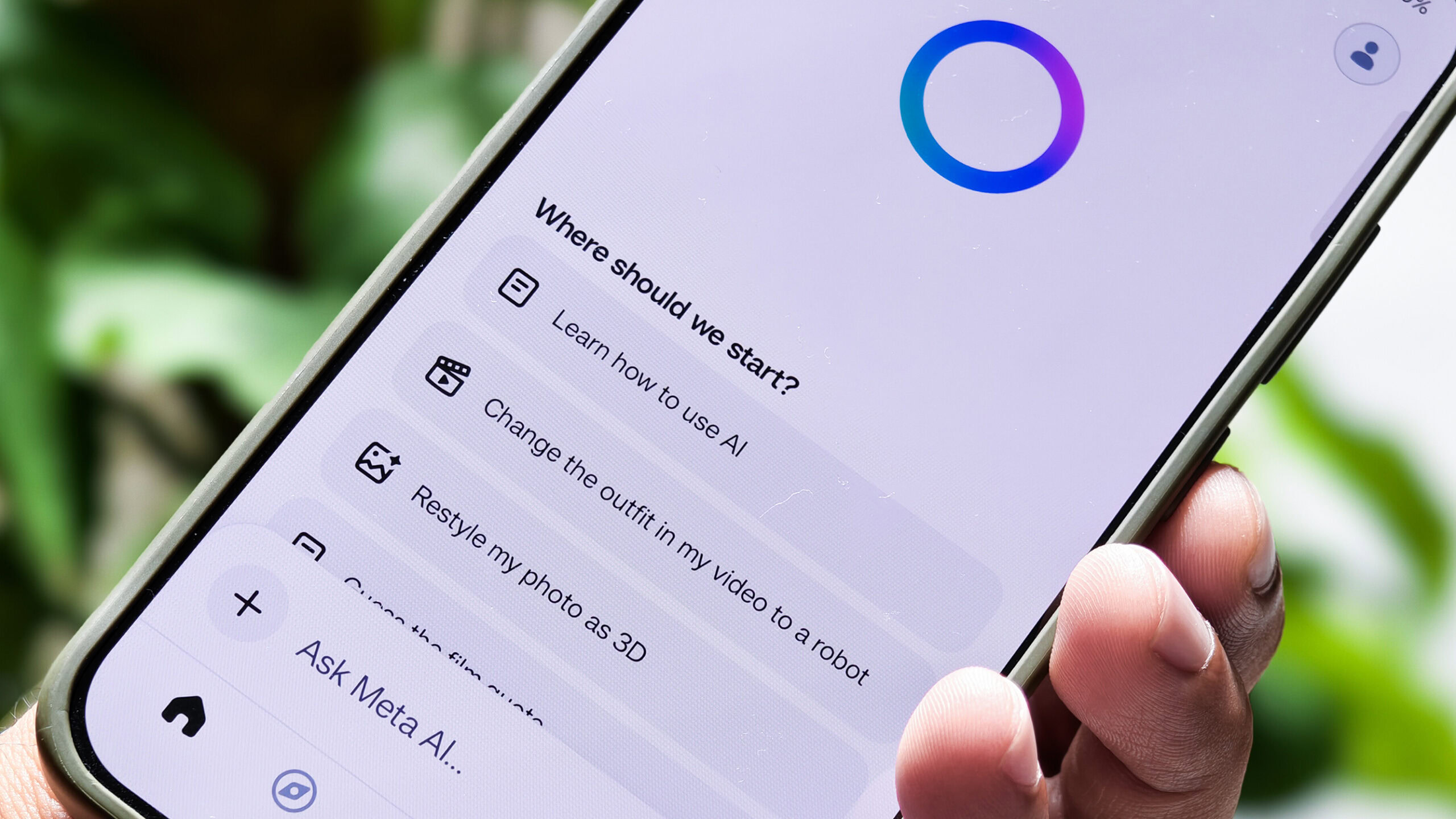
This model is “purpose-built for Meta’s products,” which means it runs inside the Meta AI app, meta.ai, and will soon be available on WhatsApp, Instagram, Facebook, Messenger, and even Meta’s AI glasses. Unlike the larger Llama series, Muse Spark is designed to be small and fast. Still, it can handle complex science, math, and health questions.

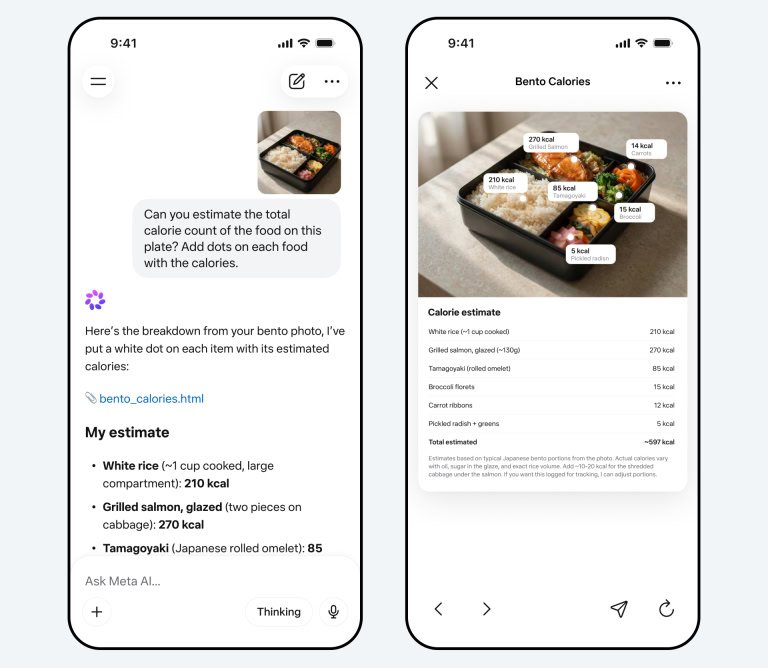
Muse Spark brings better reasoning, content generation, and real-time interaction. This means improved chat experiences, smarter assistants, and more responsive AI tools across Meta’s platforms, such as Facebook, Instagram, and WhatsApp.
Meta is focusing more on personalization. Muse Spark is built to better understand user context and provide more relevant results. In practice, this could make the AI feel more tailored to how you use Meta’s apps.
Muse Spark won’t be available to everyone right away. Meta is rolling it out in phases, beginning with internal testing and select integrations, then expanding to developers and eventually to all users.
This slower rollout gives Meta time to improve performance and address safety concerns, which have become a bigger focus in the AI industry. The company says it is adding stronger safeguards and evaluation systems from the beginning.
Thank you for being part of our community. Read our Comment Policy before posting.

