

At the end of April, the U.S. House of Representatives passed the Farm, Food, and National Security Act of 2026, also known as the Farm Bill. This legislation includes critical support for voluntary, science-based conservation programs championed by the National Audubon Society that help farmers, ranchers, and forest landowners steward working lands. With this foundation in place, the Senate is well-positioned to make important improvements that will ensure the final bill meets the increasing demands on our agricultural communities and natural resources.
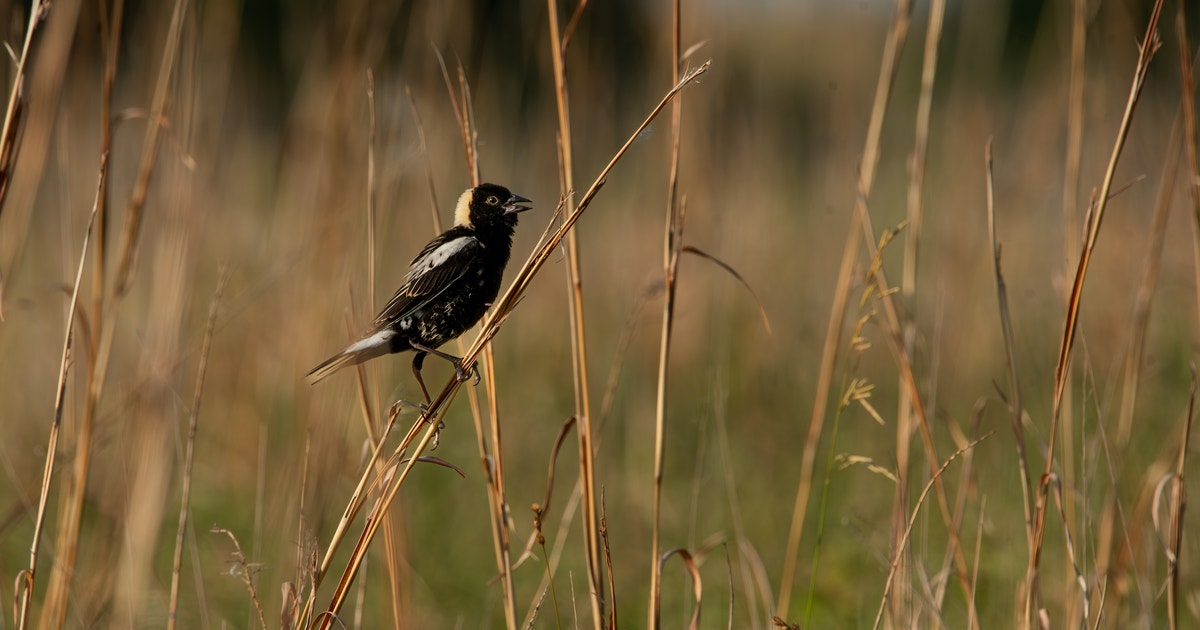
The Farm Bill is our nation’s largest investment in voluntary conservation on private working lands, helping landowners improve wildlife habitat, soil health, water quality, and rural economies. There is an urgent need to pass a new Farm Bill, as current investments and programs are being outpaced by growing challenges, leaving working landowners with insufficient tools to protect or restore grasslands and the bird habitat they sustain. Over the past 50 years, we have seen a 43% decline in grassland birds and 17% decline in forest birds, and with nearly half of U.S. land dedicated to agricultural production, the habitat conservation and restoration programs embedded in the Farm Bill are critical to helping these species recover.
Audubon Farm Bill Priorities
Includes Robust USDA Conservation Funding
The bill maintains the longstanding Farm Bill tradition of keeping conservation funding within the Conservation Title. It ensures the historic investments in agricultural conservation provided by the Inflation Reduction Act and made permanent by the One Big Beautiful Bill Act is maintained. It also includes new authority to allow the Natural Resources Conservation Service (NRCS) to use expedited hiring procedures, which can help increase capacity for conservation delivery in the field.
Preserves the Conservation Reserve Program (CRP)
The House bill reauthorizes CRP, which supports voluntary conservation by paying landowners to restore and manage their lands for wildlife habitat and other conservation values, through 2031. This is an important step to ensure the program continues uninterrupted by enrolling new acres and compensating producers for implementing conservation practices. See below for more on CRP.
Improves Conservation Implementation in Fields, Forests, and Rangelands
The bill includes several quiet improvements that will make popular conservation programs more effective and accessible to landowners. For example, it would allow partner organizations like agricultural associations, academic institutions, non-profit organizations, and for-profit businesses to access Regional Conservation Partnership Program (RCPP) funding to provide direct technical support to landowners. It also seeks to shorten RCPP approval timelines and reduce paperwork, update conservation practice standards to include new science and technology, and encourage the USDA to prioritize habitat connectivity across all conservation programs. These small tweaks to program structure and implementation can be jargon-heavy and appear deep in the weeds, but will have a real impact on day-to-day conservation outcomes in the field.
The House Farm Bill streamlines USDA’s Technical Service Provider program to improve farmers’ access to critical technical assistance needed to plan and implement conservation on the ground. And it creates a new Forest Conservation Easement Program, which will provide funding for voluntary easements to keep forests working and sustainable for generations to come, while preventing conversion of private forestland to non-forest uses.
Additionally, the bill contains a Forestry Title that covers key U.S. Forest Service programs which support both public and private forest lands and the recreational, economic, and environmental benefits they provide. Audubon has a keen interest in supporting bird-friendly forest management, which simultaneously protects water supplies, reduces wildfire risk, and supports rural economies and forest product markets. The Forestry Title includes several provisions that bolster federal support for privately-owned, working forests. For example, updates to the Forest Inventory and Analysis program will improve access to reliable scientific data to inform forest management. Reauthorizing the Joint Chiefs’ Landscape Restoration Program will promote continued collaboration between federal and state forestry agencies, non-governmental organizations, and private landowners to scale up sustainable forest management across public and private lands.
Improving the House Bill: Key opportunities for the Senate to ensure a bird-friendly Farm Bill
Scale Conservation Forage through Modernizing CRP
While reauthorizing CRP through 2031 is a necessary step, it is a missed opportunity to make sorely needed updates to the program. Using CRP to establish perennial forage and integrate livestock on working lands represents one clear opportunity for the Senate to improve the bill.
Increasing financial incentives to restore productive native pasture in grassland ecosystems can deliver real conservation outcomes alongside economic returns for producers. North Dakota’s successful Conservation Forage Program (CFP), which has been replicated in South Dakota, provides a model for what federal conservation programs focused on restoring working grasslands could look like in the future. Through CFP, Audubon and partner organizations, including North Dakota Game and Fish, Ducks Unlimited, and Delta Waterfowl, provide technical and financial assistance to landowners who want to return marginal croplands to native grasslands to support their livestock operations. This represents a practical grassland restoration option to establish permanent cover on the landscape, boost soil health, protect water quality, reduce erosion and nutrient loss, and enhance wildlife habitat, all while helping landowners meet their financial goals.
By scaling proven approaches like CFP, the Farm Bill can deliver win-win outcomes for ranchers, resilient working lands, and the birds that depend on them. Whether through modernizing the Soil Health and Income Protection Program (SHIPP), adding an additional working lands component to CRP, or another mechanism, strengthening federal tools that support grazing on marginal cropland could give producers an opportunity to improve profitability while restoring critical habitat. These options are being discussed by Audubon, ranching groups, conservation organizations, and champions on Capitol Hill.
Additional Efforts to Strengthen the Conservation Reserve Program
Another improvement the Senate can make is to include the CRP Improvement and Flexibility Act (H.R.5111 / S.2608), one of Audubon’s 2026 Farm Bill priorities, within its Farm Bill text. This popular, bipartisan bill supports sustainable grazing by providing cost-share assistance for fencing or water distribution and increases the annual payment limitation to appropriately compensate farmers for conserving wildlife habitat. The Senate should also consider including another bipartisan bill, the Pacific Flyway Habitat Enhancement Act (H.R. 1420). This legislation would expand lands eligible for the Conservation Reserve Enhancement Program (a subprogram within CRP) to include at-risk or degraded wetlands that provide critical habitat for migrating waterfowl and incentivize farmers to manage working croplands to best support wildlife habitat.
Expand Support for Small-Scale Foresters
The Senate can bolster the Farm Bill’s support for privately owned forests that provide essential habitat for many migratory bird species by including permanent authorization for the Forest Landowner Support Program (FLSP). FLSP ensures private forest landowners have consistent and reliable access to the technical and financial assistance needed to maintain working forests. Originally created in the Inflation Reduction Act, FLSP provides small-acreage and underserved landowners with the tools, expertise, and partnerships necessary to manage their land. For example, FLSP has supported Audubon’s Bird-Friendly Maple Program that incentivizes maple producers to manage their sugarbushes in support of bird habitat and overall forest health.
As consideration of the Farm Bill continues on Capitol Hill, work is needed to strengthen and modernize critical conservation programs. We urge the Senate to build on momentum from the House by continuing bipartisan negotiations crucial for getting a Farm Bill across the finish line. Audubon will continue to engage with lawmakers from across the country to create the conditions for birds, people, and the planet to thrive.
